
Solar Solution
How to Design Your Solar Water Pump?
A solar water pump system is not only a pump connected to solar panels. A reliable design must match the water source, daily water demand, head lift, pump type, solar panel capacity, inverter, protection devices, and local sunlight conditions.
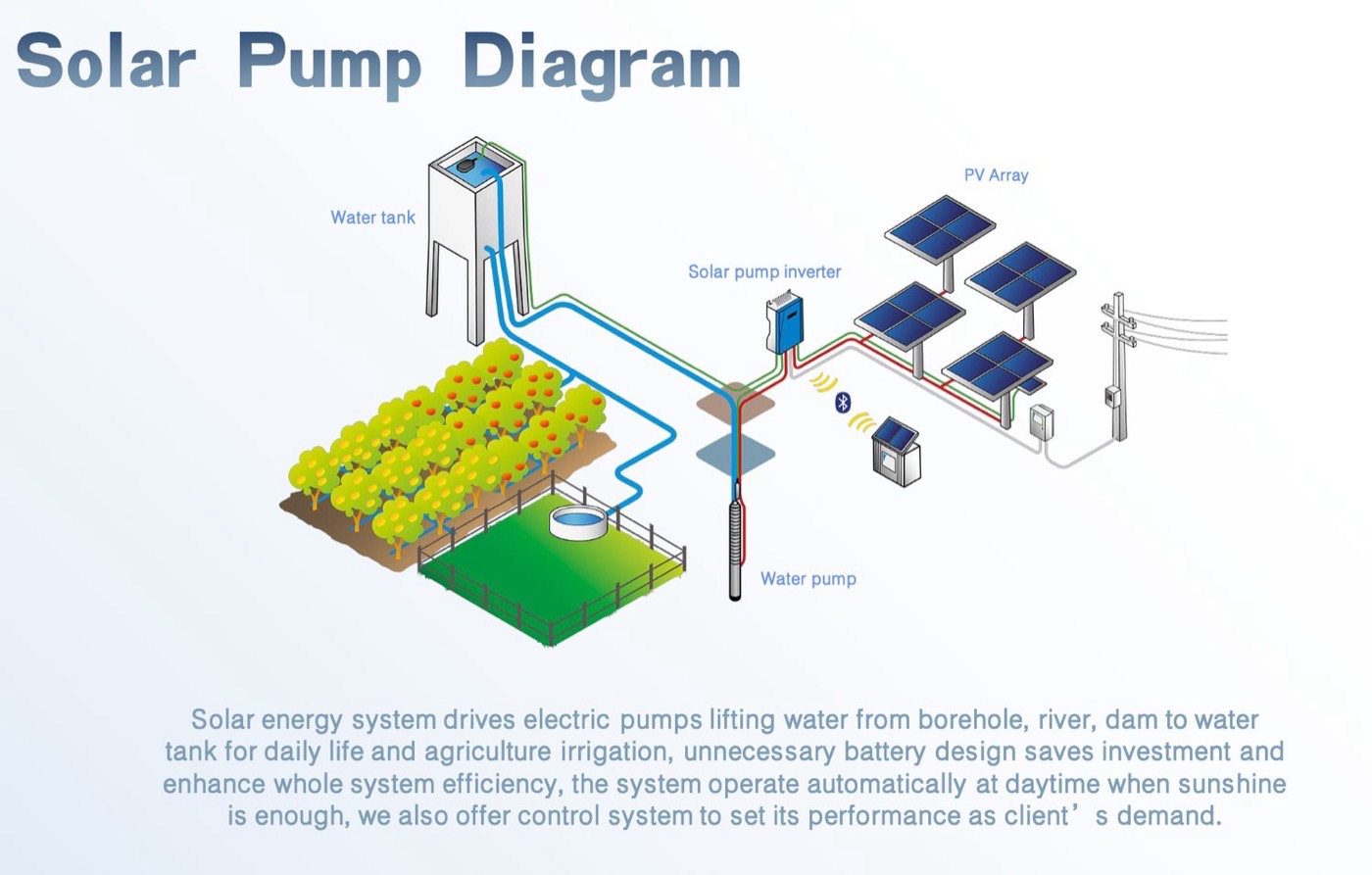
When the design is correct, a solar pump can provide water for homes, farms, livestock, communities, gardens, irrigation, and emergency water projects without depending on grid power or expensive diesel generators.
1. Confirm the Application and Daily Water Demand
The first question is simple: what will the water be used for? A home drinking water system, agricultural irrigation system, livestock water system, community water supply, and swimming pool circulation system all require different flow rates and working hours.
Before choosing any model, confirm the average daily water demand in cubic meters. This figure decides how much water the pump must deliver during the available sunshine hours.
2. Check the Water Source
A solar pump system can draw water from different sources, including boreholes, wells, lakes, rivers, reservoirs, dams, and tanks. For a borehole, the diameter, static water level, dynamic water level, and installation depth are very important.
For open water sources such as rivers or reservoirs, the design should also consider water level changes, filtration, intake protection, and whether the pump should be submersible or surface mounted.
3. Calculate Total Head Lift
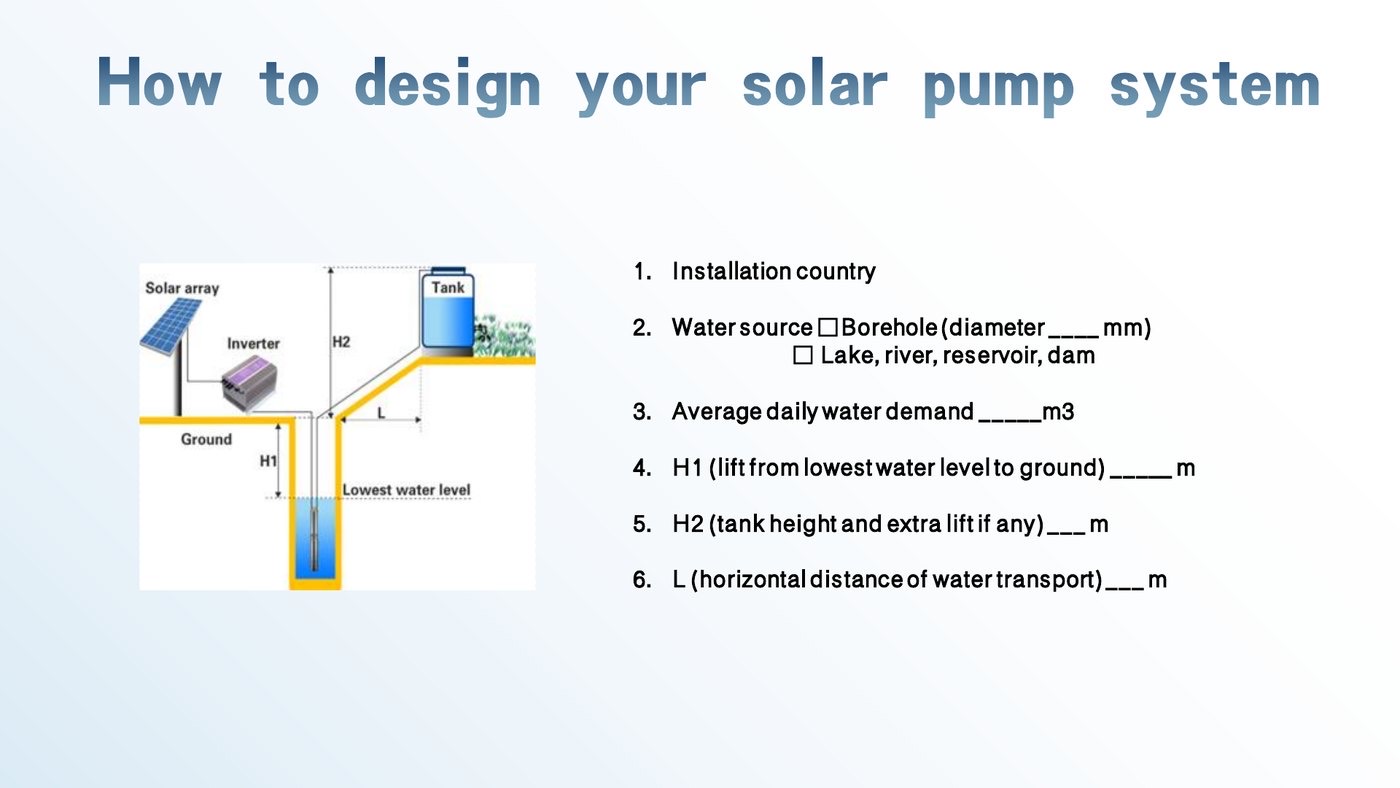
Total head is one of the most important design points. It includes the lift from the lowest water level to the ground, the height from ground level to the water tank, and additional loss caused by horizontal distance, pipe diameter, elbows, valves, and friction.
A useful design checklist includes installation country, water source, average daily water demand, H1 lift from the lowest water level to ground, H2 tank height and extra lift, and L horizontal water transport distance.
4. Select the Correct Pump Type
Common options include stainless steel submersible deep well pumps and surface centrifugal pumps. Deep well pumps are suitable for boreholes and underground water. Surface pumps are often used for rivers, reservoirs, shallow wells, and water transfer.
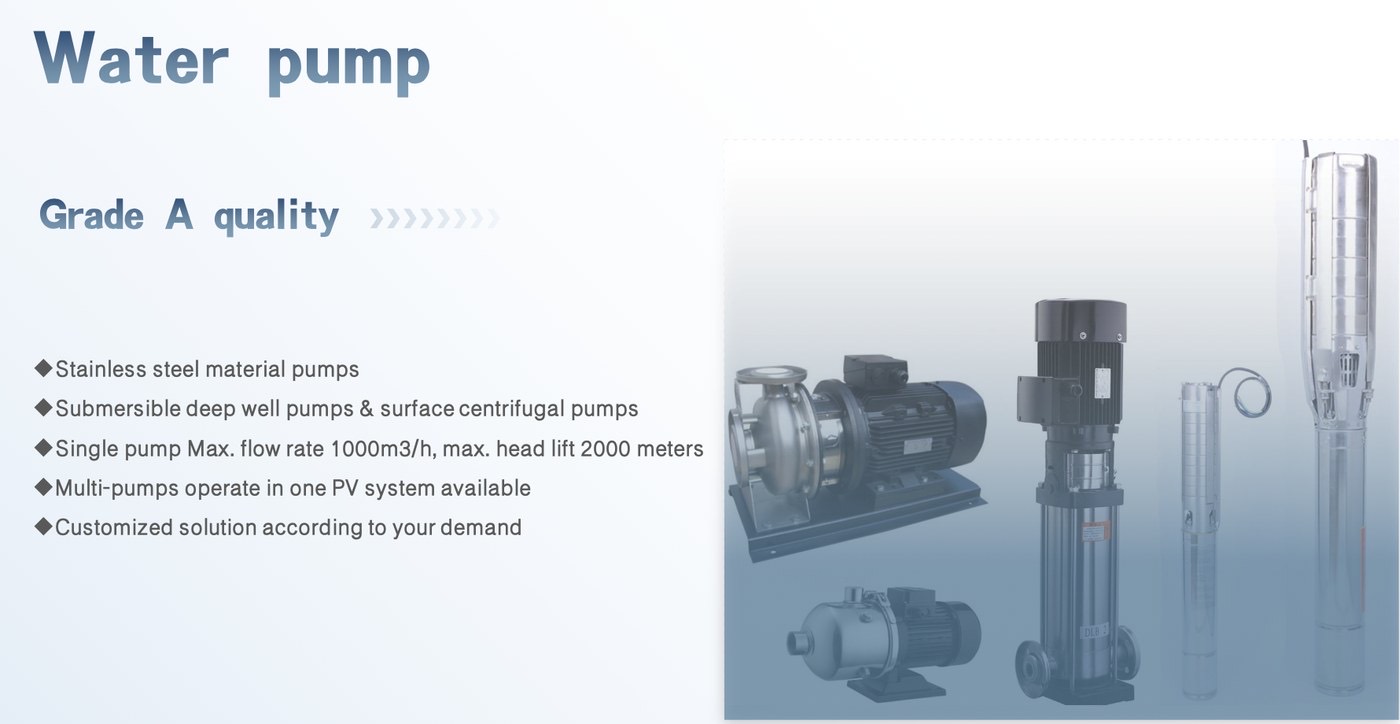
For larger projects, multi-pump operation in one solar system can also be considered. Pump selection should match both required flow rate and required head, not only motor power.
5. Size the Solar Panels and Pump Inverter
Solar panels must provide enough power for stable daytime operation. High-quality monofacial or bifacial panels, Tier-1 brands, positive power tolerance, and proper warranty support help improve long-term system reliability.
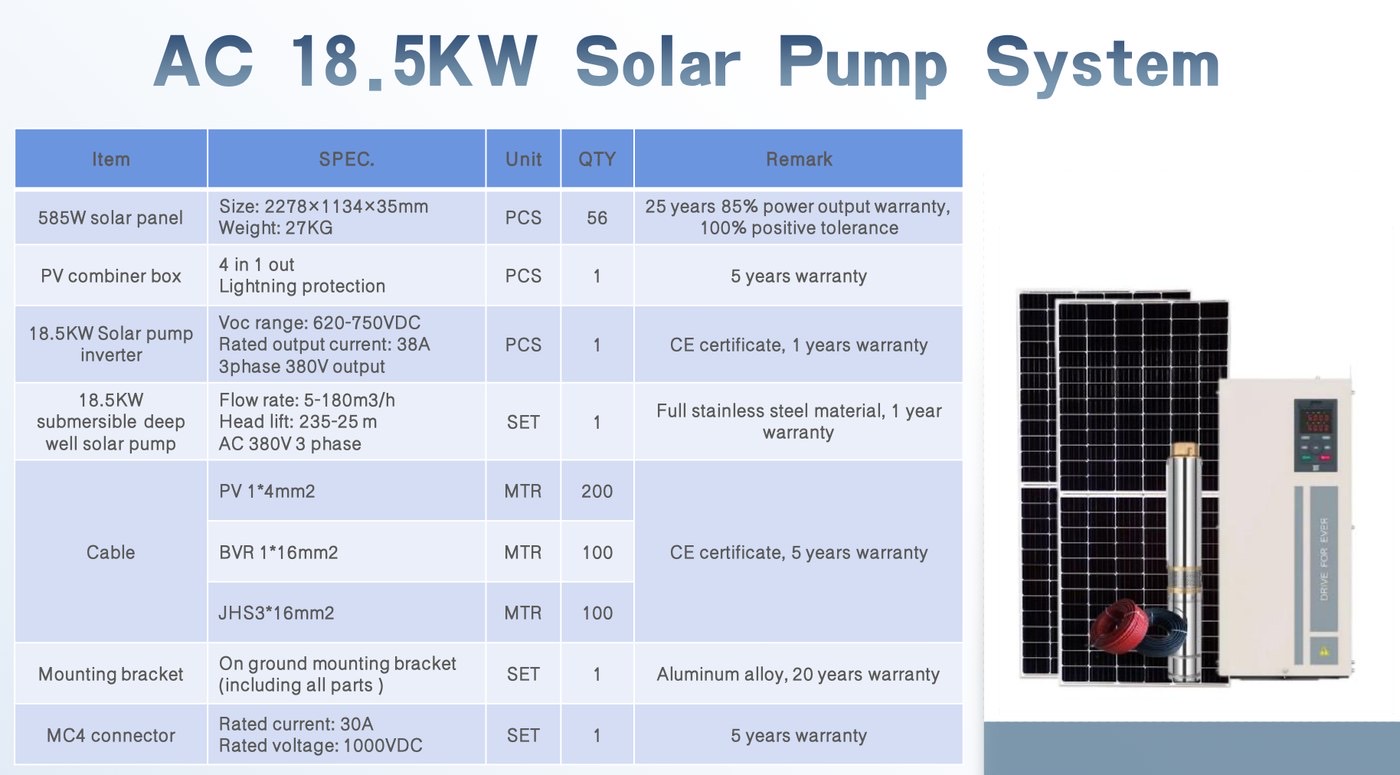
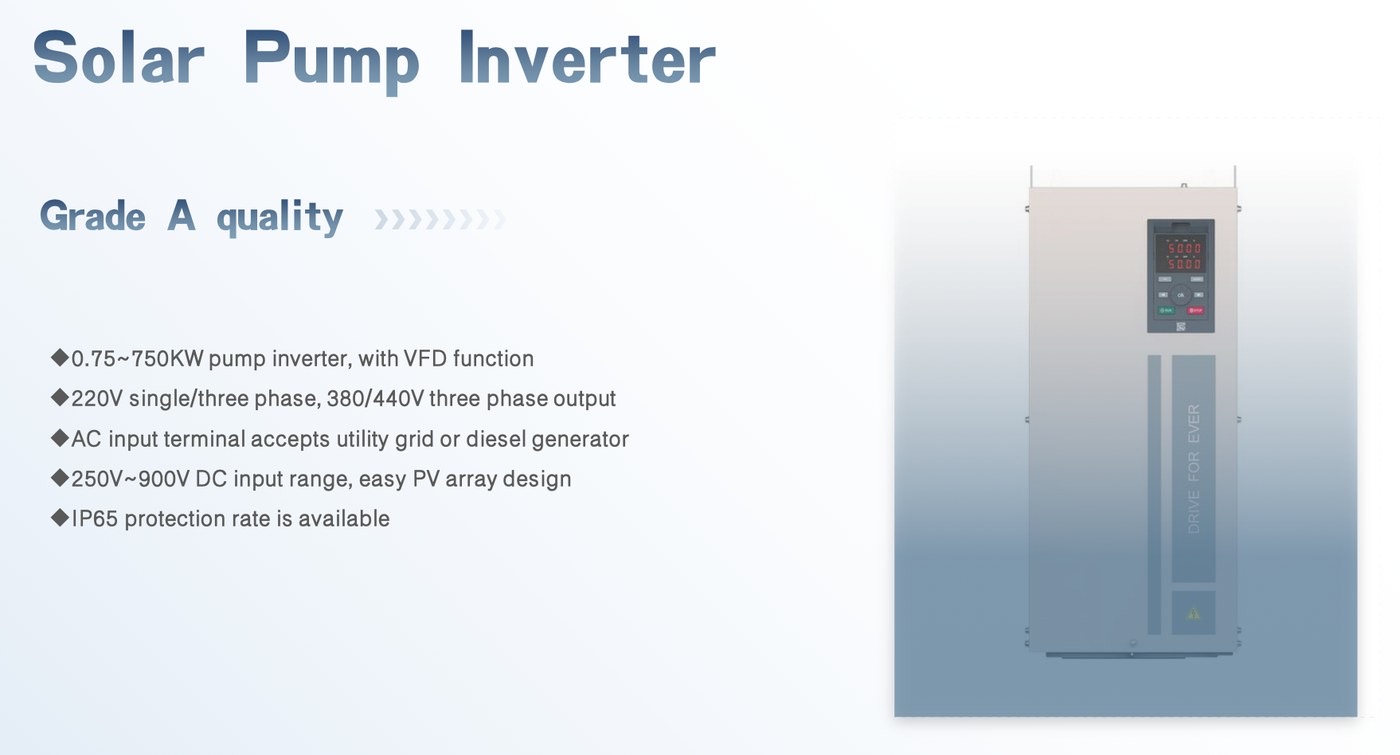
A solar pump inverter with VFD function converts solar DC power into suitable AC output for the pump. Depending on the system, the inverter may support single-phase or three-phase output, wide DC input range, grid or diesel backup input, and IP65 protection.
6. Add Protection, Monitoring, and Accessories
A complete system should include suitable cables, mounting structure, MC4 connectors, DC breaker, surge protection device, fuse, combiner box, water level sensors, and control cabinet when required.
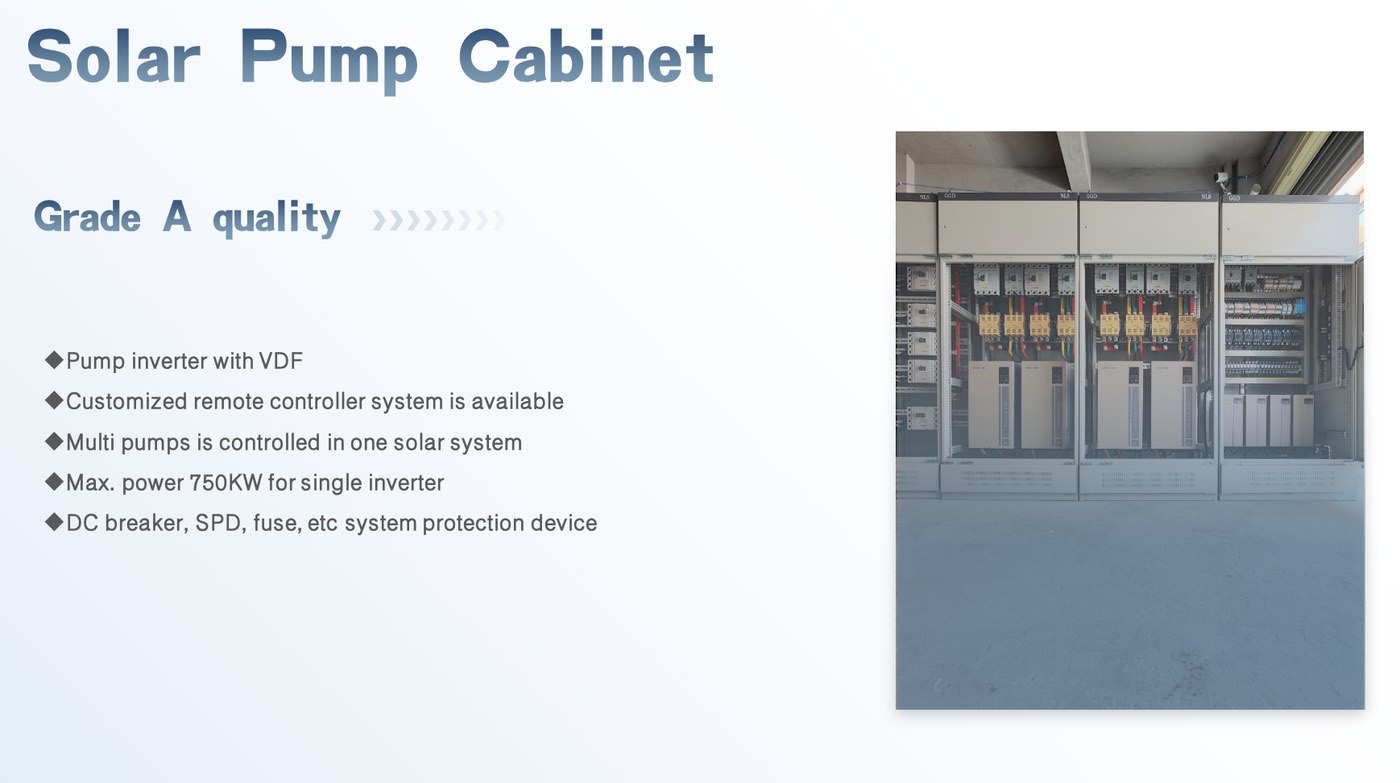
For professional projects, remote control, WiFi connection, data logging, app configuration, and cloud-based IoT monitoring can help customers manage system performance and maintenance more efficiently.
7. Why Professional Design Matters
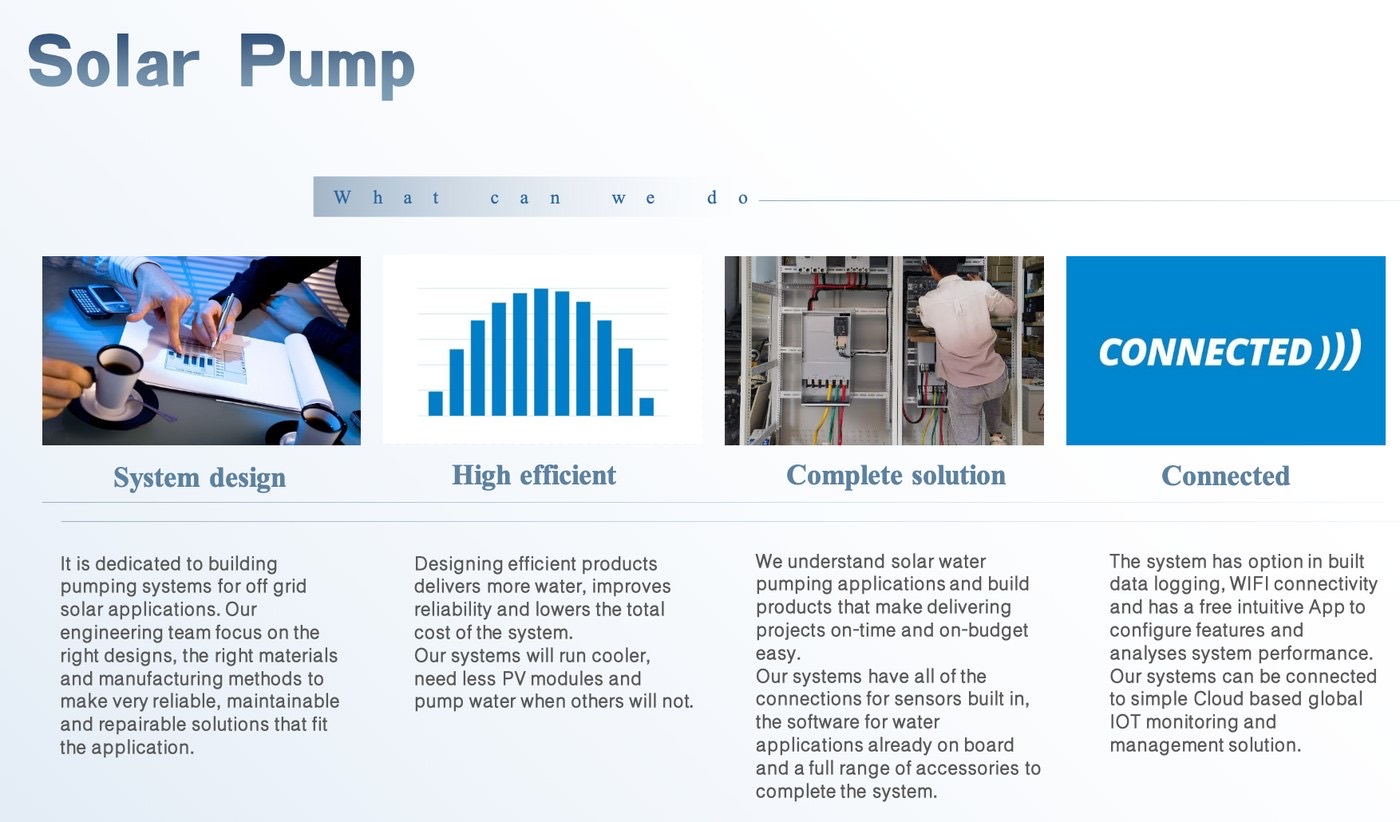
A well-designed solar pump system can deliver more water, run cooler, reduce the number of required PV modules, improve reliability, and lower total project cost. Poor design may cause insufficient water output, frequent inverter protection, pump damage, or unnecessary investment.
ZZY Comfort Home supports customers with product selection, system configuration, supplier coordination, quality inspection, documentation, and shipment follow-up. Our goal is to help customers build solar water pumping projects that are practical, reliable, maintainable, and suitable for the local market.
Need a Solar Pump Design?
Please prepare your installation country, water source, daily water demand, head lift, tank height, and horizontal pipe distance. With this information, we can help you select a suitable solar pump solution and product configuration.
Contact us via WhatsApp: +86 159 9028 0703